Cross-cultural leadership is often measured the wrong way. Boards and selection committees look at passport stamps, years abroad, and the number of markets on a resume. Those things matter, but they are not the whole story. The real differentiator is something quieter: how much complexity a leader can hold without collapsing into oversimplification, defensiveness, or control.
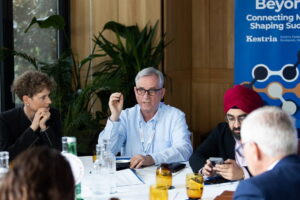
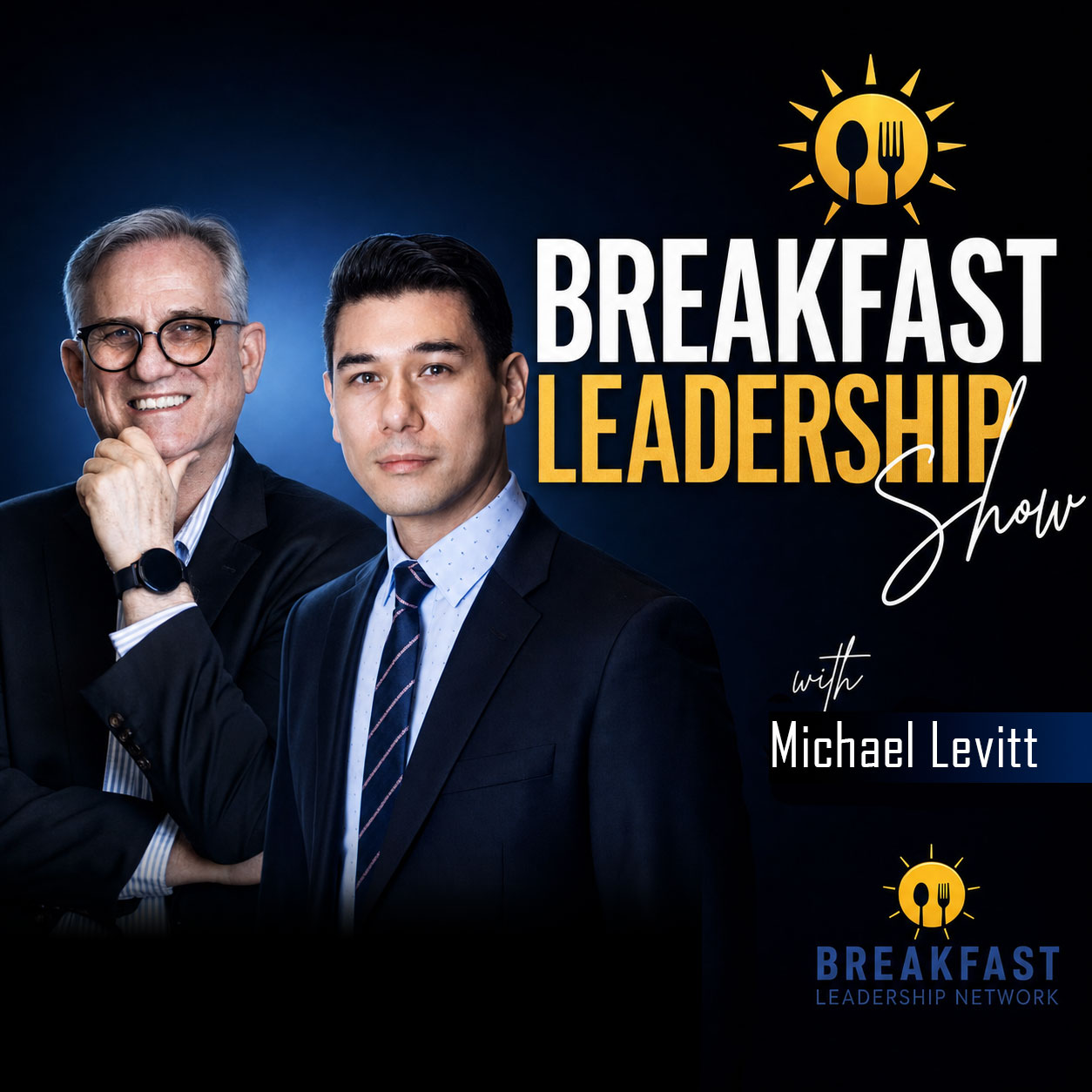
My dad, co-author Steve McKinney, and I explored that exact distinction in a recent conversation on Michael Levitt's Breakfast Leadership Show.
Dad and I don't just write about global leadership together. We've lived very different versions of it, a generation apart, and we compare notes often. Sitting down with Michael gave us the chance to dig into a question we keep coming back to. What actually separates leaders who adapt well across cultures from leaders who simply accumulate international experience without ever building the deeper capability?
The short answer is inner capacity. Not charisma, not credentials, but the ability to stay grounded when signals from different markets conflict. Also, to listen across real difference without losing direction. Finally, to make decisions that respect both global intent and local reality.
In the episode, we walked through why leaders with impressive global CVs sometimes struggle the moment they step outside one dominant culture. And why others with far less obvious "international experience" lead across markets with much more nuance. The difference isn't geography. It's whether a leader has learned to question their own assumptions and adapt their style. It's also whether they can build trust with people who don't think or work the way they do.
We also talked about a shift we are seeing among the strongest global leaders. They move from "I must control outcomes" to "I am responsible for the conditions under which better outcomes are more likely." It's a quieter form of power. And it tends to travel across cultures far better than a command-and-control style ever does.
In my executive search work across APAC, this is exactly what I look for beyond the CV. I pay attention to how a leader talks about past misreads and how they describe people who disagreed with them. I also watch whether they can hold competing priorities without rushing to a simple answer. Those signals predict cross-cultural effectiveness far better than a list of countries ever will. If you're evaluating leaders for global or regional roles, our executive search and leadership advisory services assess exactly this kind of readiness.
Steve and I go deeper into all of this with Michael Levitt in the full episode:
You can also learn more about Michael's work on the Breakfast Leadership Show.
If this theme resonates, Dad writes about it every week in Proactive Agility Weekly, his LinkedIn newsletter. There, he goes further into the practices that build this kind of inner capacity. Subscribe here to get it in your inbox. And let me know: where do you feel most stretched leading across cultures right now?