
In today's global economy, businesses need to be able to find and hire the best talent from all over the world. This can be a challenge, but it's essential for businesses that want to stay ahead of the competition. Retaining Kestria gives you a significant edge in the war for talent. Our global network, deep expertise, and proven track record of success will help you attract and retain the best talent.

Talent acquisition is the process of finding, attracting, and hiring the best people for your business. In a global context, this means being able to identify and recruit talent from all over the world.
There are many reasons why businesses need to think globally when it comes to talent acquisition. One reason is that the world is becoming increasingly interconnected. This means that businesses need to be able to compete in a global market, and they need to have the best people in the world to do that.
Another reason is that there is a shortage of talent in many countries. This is especially true in the tech industry, where there is a high demand for skilled workers. By expanding their talent search to other countries, businesses can find the talent they need to succeed.
Kestria has a deep understanding of the global talent landscape, with partner offices in 40+ countries and the ability to conduct in-country and cross-border search assignments. This allows us to help businesses identify the best talent pools to fit their needs.
Some of the factors that businesses need to consider when assessing the global talent landscape include:
There are a variety of strategies that businesses can use to acquire talent from all over the world.
Some of the most common strategies include:
There are many challenges that businesses face when trying to acquire talent from all over the world. Some of the most common challenges include:
This article has discussed the importance of talent acquisition in a global context, the challenges businesses face when trying to acquire talent from all over the world, and the strategies that businesses can use to overcome these challenges.
Kestria can help you with all of this. We have a global network, deep expertise, and a proven track record of success in helping businesses acquire the talent they need to succeed. Our team of experienced talent acquisition professionals can help you identify the best talent pools for your needs and develop a strategic approach to talent acquisition to your advantage.

Steven B. McKinney
Article originally published in Kestria September 13, 2023
4 min readCareer transitions are inevitable in the dynamic world of business. As organizations evolve and new challenges emerge, so too must the skills and abilities of the professionals who lead them. I have coached and placed hundreds of executives over the years, and I know firsthand the challenges of making a career transition.
One of the most significant transitions is the shift from a managerial role to a leadership position. Managers oversee the day-to-day operations of a team or department, while leaders set the vision, motivate the team, and drive innovation. This pivotal change demands more than just a change in title; it requires a shift in mindset, skill set, and approach.
The transition from manager to leader can be especially challenging in South Korea and Asia, where there are strong cultural norms around hierarchy and respect. For example, John Kim's promotion to director of a leading multinational healthcare company required him to adapt his leadership style to be more inclusive and collaborative. He also had to learn how to communicate and negotiate effectively with Westerners from the USA and Europe, who may have different cultural expectations.
In this article, I will delve into the intricacies of navigating this career transition and offer valuable advice on adapting leadership styles to ensure a seamless journey. I invite you to continue reading to learn more about how to make this transition successfully.
Managers focus on getting things done. They ensure that tasks are executed efficiently, processes are followed, and goals are met. Leaders focus on getting things right. They shape the direction of the team and foster an environment conducive to growth and innovation.
To transition successfully, aspiring leaders must embrace a leadership mindset. This involves shifting from a "command and control" approach to one that empowers and inspires. Leaders envision the bigger picture, set a compelling vision, and engage their teams to share in that vision. Recognizing this fundamental shift is the first step in preparing for the journey ahead.
Adapting various leadership styles is crucial during this transition. An autocratic style that may have worked as a manager will likely fall short when leading a team of professionals who expect empowerment and collaboration. Here are several leadership styles to consider:
The key is to recognize that leadership styles are not one-size-fits-all. A successful leader can seamlessly switch between styles based on the situation and the team's needs. Also, one’s personality comes into play and one may gravitate toward one style over another. Flexibility and adaptability are key to effective leadership.
Soft skills, become paramount when transitioning to leadership, more than technical skills. Effective communication, empathy, emotional intelligence, and conflict resolution are just a few examples of these skills that contribute to a leader's success.
First, effective communication requires clarity and involves actively listening to team members' perspectives. Empathy and emotional intelligence allow leaders to understand their team's needs, motivations, and challenges on a deeper level. Next, a leader needs strong conflict resolution skills to facilitate productive discussions and guide their team toward resolution.
Navigating the transition from manager to leader is a learning journey. A commitment to continuous learning ensures you stay relevant and effective in your new role. Engage in leadership development programs, attend workshops, read books, and seek mentorship from seasoned leaders. Learning from the experiences of others can provide invaluable insights that accelerate your growth.
Leadership success is closely linked to the success of the team. Surround yourself with talented individuals and empower them to thrive. They thrive when you delegate to your team tasks, provide opportunities for their skill development, and create an environment where innovation is encouraged. When your team members feel valued and empowered, they are more likely to invest their best efforts into achieving the organization's goals.
In conclusion, the journey from a managerial role to a leadership position is a significant one, demanding introspection, skill development, and a willingness to evolve. Embracing a leadership mindset, adapting leadership styles, honing soft skills, investing in continuous learning, and focusing on building and empowering your team are all critical components of this transformation.
Remember that leadership is not about a title; it's about inspiring and guiding others to achieve their best. As you embark on this exciting journey, embrace the challenges, learn from experiences, and continually refine your leadership approach. By doing so, you'll not only successfully navigate the transition but also contribute to the growth and success of your team and organization.
Like and share this post if you found it helpful!
4 min readInflation is the word of the day.
Inflation has been the word of the day for at least a year. If it had to share the title with any other phrase, that phrase would undoubtedly be interest rates.
Inflation matters to companies. P&L leaders worry about input costs and the ability to price products and services.
HR leaders should care about inflation just as much. Inflation impacts human resources in many ways:
The Bank of Korea released its latest judgment on the macroeconomic environment and the need for monetary tightening or loosening, saying:
The Monetary Policy Board of the Bank of Korea decided today to leave the Base Rate unchanged at 3.50% for the intermeeting period. Although inflation has slowed, it is forecast to pick up again to around the 3% level since August and to remain above the target level for a considerable time. In addition, uncertainties regarding economic conditions and monetary policy in major countries have risen. It is also necessary to closely monitor household debt trends. The Board, therefore, sees that it is appropriate to maintain its current restrictive policy stance. Regarding the need to raise the Base Rate further, the Board will make a judgment while assessing the changes in domestic and external policy conditions.
The currently available information suggests that global economic growth is projected to continue slowing due to the effects of elevated interest rates and a weakening recovery in the Chinese economy. Global inflation still remains high, though falling gradually, and the pace of the inflation slowdown has differentiated across countries. In global financial markets, government bond yields have risen and the U.S. dollar has strengthened due to prospects for a prolongation of the restrictive policy stance in major countries. Looking ahead, the Board sees global economic growth and global financial markets as likely to be affected by the movements of international commodity prices and the global inflation slowdown, monetary policy changes in major countries and their effects, and developments in the Chinese economy.”
Meanwhile, stock markets and exchange rates across the globe are conflicted (as usual) in trying to read the inflation tea leaves. Will the US Federal Reserve raise US interest rates again, or won’t they? Will the European Central Bank stay hawkish, or won’t it?
Speaking at the Jackson Hole Conference in Wyoming on the 26th, Bank of Japan Governor Kazuo Ueda, stated, “We believe underlying inflation is still slightly below target.” So, Japan faces a very different economic reality than much of the world has faced over the last year.
If inflation is a monetary phenomenon, why haven’t all the interest rises completely tamped it down? Why is it seemingly so persistent this time?
It appears the answer is to be found in non-monetary influences—influences interest rates and the world’s central banks have less control over, such as the following:
So, inflation is a tough nut to crack right now. Rather than waiting for it to be solved, we’re all probably going to have to learn to live with it. That is no less important for HR leaders than for P&L or finance leaders. Perhaps even more important.
Subscribe to this newsletter here
Article originally published in Steve's LinkedIn Newsletter HR Asia August 28, 2023
3 min readI hope this newsletter finds you well.
As you know, Asia is facing a demographic crisis. The region's birthrates are declining, and this is having a major impact on businesses.
In this newsletter, I will discuss the implications of declining birth rates for businesses in Asia. I will also share some tips on how businesses can adapt to this changing demographic landscape.
The Impact of Declining Birthrates on Businesses
Data and statistics:
Shifting consumer demand:
Increased government spending:
How Businesses Can Adapt to Declining Birthrates
Research:
Tips for businesses:
Chinese Invade Japan for the First Time in Three Years
While Japan’s Prime Minister Kishida was in the US for a summit with Korea and the US, the Chinese were preparing an invasion of the Japanese Isles. Yicai Global, a Chinese media site in English, reported on the first Chinese group tour to land in Japan since the pandemic cut off travel in 2020. Group tour travel to Japan from China was reinstated on August 10, and air tickets to popular destinations in Japan sold out the same day.
On the same day, Beijing allowed travel to South Korea, Australia, and the United States. There has been some question as to how much demand for travel there will end up being to Korea and Japan, given the hiatus, the weak economy in China, and geopolitical rumblings, but if the first group’s arrival is any indication, pent-up demand is high.
According to numbers from the Japan National Tourism Organization, some 10.7 million tourists traveled to Japan in the first half, of which 600,000 were from mainland China. This is small compared to 2019, when Japan received 31.8 million tourists, of which 30 percent came from mainland China, but the fact that 310,000 tourists came from China in July alone, it is easy to see the ramp up.
Having said that, ramping up won’t be so easy. ANA and Japan Airlines only served China with 35% and 55% of the flights available, respectively, in 2019.
In conclusion, declining birth rates are a major challenge for businesses in Asia. However, by taking steps to adapt to this changing demographic landscape, businesses can position themselves for success in the years to come.
If you are a business leader in Asia, I encourage you to take the time to learn more about the impact of declining birth rates on your industry. By understanding the challenges and opportunities, you can make informed decisions about your business's future.
I also encourage you to share this article with your colleagues and network. Together, we can help to raise awareness of this important issue and build a more sustainable future for businesses in Asia.
Subscribe to this newsletter here
Article originally published in Steve's LinkedIn Newsletter HR Asia August 21, 2023
3 min readIf you are a reader of our friends at Erudite Risk’s daily reports on Northeast Asia, you’ll recognize the theme of today’s newsletter: geopolitical tensions are driving a reshaping of capital flows, goods trade, and sentiment regarding Asia—and not in a good way. You’ll recognize it because Rodney Johnson, the president of Erudite Risk, has been harping on that theme (for well over a year now) as a crucial component to understanding what is going on today in Asia. Supply chain reshaping, friend-shoring, and re-shoring is now part of the contextual background noise lying behind so many other trends.
The goal, Mr. Johnson says, is no longer to build resilient supply chains, but to avoid risk altogether. The COVID pandemic served as a traumatic wake-up call to many global companies who experienced painful disruptions in the supply chain. Those disruptions continue to haunt CEOs and are now seen in the light of even greater possible future disruptions that would arise in the event of a conflict between the US and China. The conflict has not started, but we are dealing with the ‘fears’ of conflict and those fears are driving change in very real ways. Russia’s invasion of Ukraine hasn’t helped in that regard. It has made the possibility of once unthinkable conflict much more imaginable.
The pandemic was a dry run for a geopolitical catastrophe in Asia, and no one liked what they saw. War is possible and any CEO who does not acknowledge that organizational survival is now just as important a strategic goal as financial or market-based success measures is likely to be accused of being asleep at the wheel.
So, the reshaping has begun, under the narrative of ‘de-risking’ or ‘de-coupling’. Either way, it means moving away from China and toward other destinations. In some cases those destinations are other places in Asia, in some cases they are not. How safe is manufacturing in Vietnam (and shipping from Vietnam) if a conflict over Taiwan breaks out? Will the impact be minimal or highly disruptive? How close to China is too close? This is not an academic question for those in Korea.
This is a hard pill to swallow if you are an old Asian-hand like I am. If you have been doing business during Asia’s rise, it is difficult to think of the future in any other terms than one of progress, development, and even eventual dominance.
Geopolitical risk related to a China conflict is just one more concern for companies in the Korean market. HR managers in Korea already deal with
Korea will not be—is not—immune to the impacts of actions taken today related to fears of a future conflict with China. Some of the repercussions include:
For HR, all of this implies changes in how business is done that will drive changes in who we hire. Business Leaders in Greater Need of Agility and Adaptability Today. We’ll have to wait and see how it plays out, but the changes are already afoot. Stay nimble, with one eye on what’s happening today and one on what’s coming around the corner.
Subscribe to this newsletter here
Article originally published in Steve's LinkedIn Newsletter HR Asia August 9, 2023
3 min readLast week, there was a tragic stabbing incident in South Korea. A man crashed his car onto the sidewalk outside a busy shopping mall and then began slashing at people with a knife, injuring at least 14 individuals. The suspect was detained by police. Some of the victims are in critical condition, and an investigation is ongoing.
That was the incident, itself. There will, no doubt, be extensive repercussions throughout society—as there almost always are—related to safety and security, because the trauma caused by these incidents is never contained to the incident itself. People internalize their own lessons.
While the incident is undeniably traumatic for those who were there, it could potentially be traumatic even for those who were not there. Besides participating vicariously, many of the reactions and repercussions (such as a more visible police and security presence) make the incident very real for many more people. What was isolated becomes widespread. What was an event with limited scope becomes a mass participation event. The victims of the original crime suffered at the scene and beyond. Everyone else will suffer from the ripple effects.
Do those ripples reach even into the workplace? Absolutely.
The workplace is a part of society and, for many, second only to the government as a source of authority and guidance. When the government mandates action, companies are obligated to respond. Beyond governmental regulations, companies are often expected to implement their own measures in the absence of certain government mandates or in furtherance of existing ones.
For better or worse, people look to their place of work for leadership beyond profit and loss. Companies are, like government, an institution in people’s lives—a part of societal DNA. Companies can, therefore, create trust or destroy it.
The easiest way to create trust is to listen. To that end, companies should be having continual conversations with their people.
An incident such as this one lives and reverberates in many modes. It crosses many boundaries.
The act itself (what it was, what it wasn’t)
Causes (what are the origins of hate and violence? How does this happen?)
Online rumors (what information is real?)
Potential threats (real and imagined),
Vulnerabilities (real and imagined),
Self-definitions (Am I a potential target?)
Reactions (Valid and invalid, how am I supposed to feel?)
Incoming Regulations
Changes to perceptions of work, consumption, and meaning.
No one can say exactly what conversations companies should be having with their personnel, as that is unique to each organization and team. The important thing is to determine what conversations your people ‘want’ to have right now. That’s the listening part.
These conversations can lead to a better understanding of issues far beyond safety and security. They can lead to changes in policy, working conditions, safety measures, security posture, and work processes, among other things. They can lead to a more comfortable, more secure workforce, which never hurts the bottom line.
Perhaps most importantly, they can lead to a perception in the workforce that the company cares enough to listen. That’s not small.
This piece was the introduction to today’s HR Korea report, published each morning (Monday through Thursday) by McKinney Consulting in cooperation with Erudite Risk. The HR Korea report covers news, social media, government press and data releases, business association releases, foreign embassy releases, and more.
If you’d like to try the HR Korea report free for one week, with no obligation, just send me a direct message. I’d be happy to add you to the mailing list.
Subscribe to this newsletter here
Article originally published in Steve's LinkedIn Newsletter HR Asia August 7, 2023
3 min readFor those in Korea, perhaps especially for those in HR-related roles in Korea, there is an obsession with demographics. And if there isn’t an obsession, there should be. That’s because as demographics go, so goes everything else. It is said that a country gets the systems—political, economic, healthcare, labor, etc.—that demographics allows it to have. When a country’s demographic situation is good, everything else gets easier. When it is bad, everything becomes difficult.
Korea’s demographic situation is well-known. According to data announced by the National Statistical Office on February 22, 2023, Korea's total fertility rate in 2022 was recorded at 0.780. This is a decrease from 0.837 in 2020 and 0.808 in 2021, which were already the lowest levels in the world. According to OECD (Organization for Economic Co-operation and Development) data, the proportion of the population aged 65 or older among the total population rose from 5.1% in 1990 to 10.20% in 2008 and 17.5% in 2022. As the birth rate declines and the aging population continues, Korea is aging rapidly.
Attempts by the Korean national government and by local governments across the country to rein in the problem of low fertility rates are also well-known. Those efforts have, so far, shown no efficacy.
According to a report by Jeju Peace Institute (JPI), published in May of this year, while defense spending has stayed steady at 2-3% of GDP, the share of total social welfare expenditure as a percentage of total government expenditure rose steeply from 2.9% in 1990 to 18.1% in 2020. The writers of the report don’t directly assert proof that there is a 1:1 correlation between the aging population and higher social welfare spending, but they infer that at least a strong correlation exists. The long-term economic repercussions of a falling birthrate and an aging population have been discussed (lamented?) ad nauseam.
What people talk less about, and what the JPI report is mainly about, is the impact on Korea’s foreign policy. We probably discuss it less because foreign policy is more amorphous and more difficult to tie directly to demographics than economics is, but we should make no mistake; foreign policy, in this age of massive geopolitical risk, is no less important. If Korea’s demographic challenges are going to impact its willingness and ability to fulfill its foreign policy goals in the future, we want to know that now.
According to JPI, the main ways aging demographics impacts a country’s foreign policy are the following:
Korea has national conscription, but Japan is already struggling to attract men to military service. Fewer men in the labor pool mean more pay and benefits to attract the ones that there are. Aging countries get less bang for their defense yen. Even with conscription in Korea and shortening windows for national service, a demographic crunch is coming for the Korean military.
The above indicates that there is a ‘window of opportunity’ for the countries in Asia to conduct military power-based foreign policy (we’re thinking China, especially here), and when that window closes, foreign policy by force will no longer be an option. In other words, a “Demographic Peace” will break out.
What would a “Demographic Peace” mean for Northeast Asia? For South Korea?
Many of the recent issues South Korea has dealt with, including the US Inflation Reduction Act, the US CHIPS Act, rapprochement with Japan, and even North Korea’s increased provocations, can be looked at as being driven by geopolitical concerns. Since the end of the pandemic, geopolitical concerns have dominated the landscape of Northeast Asia, driving changes in capital flows and supply chain designs.
Many of those geopolitical concerns are driven by an increasingly assertive China coming up against an America that is digging its heels in, in defense of its position in the world. Should these challenges lessen, countries in Northeast Asia can take up the task of addressing the many other crises we find ourselves knee-deep in climate change, technological disruption, and demographics itself.
Read more of the report for yourself. (The original report is in Korean.)
[JPI PeaceNet] The Impact of Population Aging on National Foreign Policy and Implications for Korea http://jpi.or.kr/?p=21398
Subscribe to this newsletter here
Article originally published in Steve's LinkedIn Newsletter HR Asia August 1, 2023
2 min readGreetings, a solid understanding of the direction the company is heading is crucial to making good HR decisions. Rightsizing—hiring and firing—and adjusting the mix of skills and capabilities of the workforce rely on a good understanding of the target market and the general direction that the market is moving. Now, more than any time in recent history, gaining that good understanding has become difficult.
There are just too many conflicting signals, making it difficult to know if we are coming out of an economic malaise or headed into a deeper one. The Hyundai Economic Research Institute (HRI) recently published a paper highlighting how this very problem is hitting Korea specifically. They called the paper "Five Mona Lisa Ambiguities and Implications for the Korean Economy." The title is in reference to the famous quality of the subject of Leonardo da Vinci's painting, in which we cannot decide if the model is smiling or not. Right now, we cannot decide if Korea's economy is smiling or not.
HRI gives the following explanation:
This excellent explanation really highlights how economic fundamentals and indicators come home to roost: how we feel them in reality. Consumers and employees make decisions on how they feel about the state of their own economic realities.
HRI's report continues, "The reasons for the Mona Lisa ambiguity of the Korean economy are:
This is our first daily HR newsletter for South Korea. We aim to provide insights into the factors that influence HR decision-making in Korea from the perspectives of both companies and employees. By understanding both sides of the coin, we can better understand how decisions are made and how we should respond to emerging issues.
We will take a daily deep dive into all the issues, developments, news, government releases, and data of importance to HR.
Subscribe to this newsletter here
Article originally published in Steve's LinkedIn Newsletter HR Asia July 31, 2023
4 min readNew technology is transforming the way we work, bringing with it unprecedented levels of efficiency, productivity, and collaboration. Advancements in artificial intelligence (AI), analytics, and the Internet of Things (IoT) are changing the business landscape. Companies that quickly innovate and adapt will gain a significant competitive advantage. In this article, we'll explore how new technology is helping to evolve the future of work, revolutionizing how we work, and connect with each other.
New technology makes it easier than ever for people to work together, regardless of location. Collaborative tools such as video conferencing and instant messaging allow teams to share ideas and work on projects in real-time, no matter where they are based in the world.
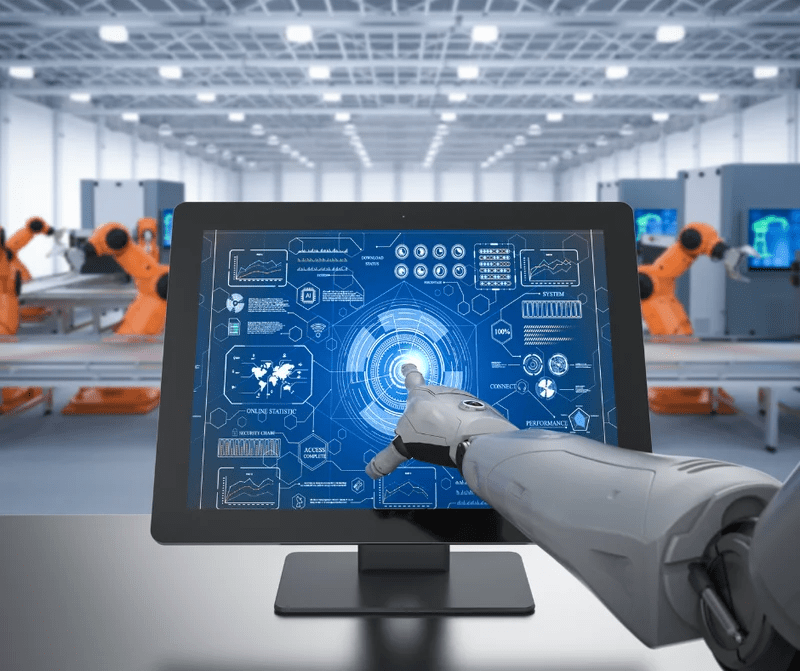
The rise of cloud technology means that vital documents and files can be stored online, accessible to anyone with authorized access, anywhere in the world. This fosters a culture of flexibility and agility, enabling team members to work from home or remote locations and optimize their time, resulting in increased productivity and job satisfaction. The rise of AI and machine learning is also assisting businesses as companies work to extract insights from vast amounts of data. This data can help companies identify trends, predict outcomes, and make more informed decisions. By automating routine tasks and reducing human error, AI is also helping to boost efficiency and reduce costs, freeing up employees to focus on higher-value tasks.
Advancements in technology are driving radical efficiencies in industries such as logistics, manufacturing, and construction. Automated warehouses that utilize robots for tasks such as picking and packing are becoming more commonplace, resulting in faster delivery times and reduced costs.
Smart construction sites with IoT-enabled sensors can detect everything from structural deformation to air quality, making buildings safer and more environmentally friendly. Similarly, in manufacturing, 'smart factories' that use connected digital devices across production and supply chains enable more efficient operations.
Advancements in technology are also shaping the future of work in fields such as healthcare, where connected medical devices and remote consultations are making healthcare more accessible to patients. Remote monitoring sensors can collect data on an individual’s health status and alert healthcare professionals when a patient needs attention, reducing the need for hospital visits and providing peace of mind.

The Future is Digital and Connected
The advances we see in technology drive the future of work toward increased connectivity, digitization, and automation. This shift is transforming the nature of work and the way people work, and it's providing opportunities for companies to embrace new ways of working.
The trend towards remote work and telecommuting has been dramatically accelerated by the COVID-19 global pandemic. Video conferencing, collaboration tools, and virtual meeting platforms are transforming where work is done, conferring more autonomy on the worker, and fostering a spirit of creativity and innovation. Digital platforms facilitating connections between service providers and customers are becoming increasingly popular. In the gig economy, online platforms such as Uber and Airbnb connect people to work opportunities, allowing them to earn money independently, without traditional job constraints.
The growth of new technology and increased connectivity opens up new opportunities for people to work differently. For example, remote work, telecommuting, or the combination of different work arrangements offer employees more flexibility to balance their work and personal lives.

Innovative concepts such as the four-day workweek or the reduction of work hours are being explored as companies seek ways to promote a better work-life balance for staff. This reduces the risk of employee burnout, improves productivity, and fosters a more satisfied and productive workforce.
Another growing trend is microlearning, which provides short, niche, and easily accessible training and development opportunities. This form of learning is beneficial in today's fast-paced business environment, where employees seek to upskill rapidly.
It's easy to fall into the trap of thinking that technology alone can fix our business problems. While it's true that technology has the power to transform the way we work, it's essential to recognize the importance of maintaining a balance between technology and people. A successful digital transformation requires cultural, structural, and technological changes that must be implemented holistically. It is crucial to align technology initiatives with a broader corporate vision to ensure they bring value to the business.
Another critical aspect of technology integration is cybersecurity. With the rise of remote work and online collaboration tools, data safety is critical in today's business landscape. Taking the time to educate employees about the importance of cybersecurity should form part of a comprehensive data protection strategy.
In conclusion, the future of work is being shaped by technological advancements enabling new ways of working, enhancing productivity and efficiency, and opening new opportunities for growth. However, it is equally important to ensure that new technology integration maintains a balance between technology and people, promoting work-life balance and ensuring cybersecurity measures protect the organization's digital assets. Companies embracing new technology and building a culture of innovation will be better positioned to thrive in the fast-changing digital landscape.
Steven B. McKinney
Article originally published in Kestria on April 5, 2023
5 min readBryan recently asked me about our company’s purpose statement. Unfortunately, "Peace of Mind" is a tagline, not a purpose statement.
The formula for a purpose statement is the values. These values are in the fine print, not necessarily on the marketing brochure.
We are expanding our product offering to our clients. Over the past three years, we have built new offline services and online products to be launched in 2023. This transition is the time to fine-tune our purpose statement and make it bold.
An organization’s purpose statement should be clear and require no explanation. Communicating the link between our services and McKinney’s Purpose is critical and yet complex. Today, we will tackle this challenge head-on.
An organization’s purpose is clear through concise communication, and its existence is evident. The organization’s goal should fit like a glove.
An organization’s purpose is the motivation for establishment. This purpose is usually boiled down to a couple of sentences and is often the business philosophy.
The business philosophy is concerned with the broader meanings of business as a human endeavor, an economic or social phenomenon, or the moral obligations of business to society. Here are a few examples of different companies’ purpose statements.
Ernst & Young defines its Purpose as “To build a better working world.”
General Electric’s newly defined Purpose is “We rise to the challenge of building a world that works.”
And finally, Dupont states, “We find science-enabled, sustainable solutions for our customers, always managing our businesses to protect the environment and preserve the earth’s natural resources for today and future generations.”
These examples from E&Y, General Electric, and Dupont are all excellent examples. The purpose statements clearly and directly overview the company’s core goals and values.
Home Depot and Dell examples are poor purpose statements;
A Purpose Statement clearly defines why the organization exists. It helps to attract and engage like-minded employees and customers who share the same values. From the excellent purpose examples, you can see their values. From the bad examples, their values are unclear, and they have no higher purpose.
Interestingly, former P&G global marketing director Jim Stengel collected data across 50,000 brands. Jim found a direct relationship between a brand’s ability to serve a higher purpose and its financial performance. This direct relationship between a brand's higher purpose and financial performance resulted in three times faster growth.
Your purpose statement does not change over time. The purpose is your reason for being. What are your values? Are they tied to your Purpose? Your vision, strategy, and execution activities should support your purpose.
Our current clients are B2B, and our new product offerings will be for B2C clients. How will this affect our purpose? Or should it? It will not change. Through our performance consulting, we bring peace of mind to our multinational clients and help them reach their potential as trusted advisors.
After working for global athletic companies Reebok, Converse, and Adidas in international positions, I developed a sense of what western multinational company leaders need to succeed in the executive search and leadership consulting areas. I recognized early on the cross-cultural differences and misunderstandings that stood in the way of success.
This Reebok factory had 5,000 employees within the organization and many supplier organizations externally. We produce 1.2 million pairs of athletic footwear per month for global distribution across many different cultures.
This cross-cultural leadership continued with my move to Adidas. I traveled and worked in 35 countries, as the Head of Footwear Product Development Globally for Adidas International. My responsibilities included overseeing product development teams in the USA and Asia.
This leadership trend continues at McKinney Consulting. Our track record lists hundreds of clients from Fortune 500 clients like Exxon Mobile, General Electric, Johnson & Johnson, FedEx, Pfizer, Citigroup, PepsiCo, HP, Boeing, AIG, New York Life, Nike, Adidas, Coca-Cola, Netflix, International Paper, BMW, Mercedes-Benz, Ford, Dyson, etc. and many other successful companies.
From the athletic footwear experiences of developing hundreds of products for worldwide purchase to coaching and consulting with many great clients at McKinney, my mind and approach have been enriched. Our global mindset and innovative project approach keep us open to new possibilities and humble. Working with multinational companies across international borders requires earning their trust. We make that trust daily, project by project.
As you work on your purpose and vision statement, you could receive additional insights and inspiration by reading some great books. Here are a few books that I recommend you consider.
Carol S. Dweck’s book Mindset. “Through clever research studies and engaging writing, Dweck illuminates how our beliefs about our capabilities exert tremendous influence on how we learn and which paths we take in life.” Bill Gates, GatesNotes
The Book of Why by Judea Pearl and Dana MacKenzie could help you discover your Purpose. Judea and Dana discuss the new science of causal inference and how humans understand cause-and-effect relationships.
Think Again, by Adam Grant, is one of my favorites. This bestselling author of Give and Take and Originals examines the critical art of rethinking, learning to question your opinions, and opening other people’s minds, which can position you for excellence at work and wisdom in life.
Anu Agu, former Chair of Thema Ltd., explains this higher meaning. “We survive by breathing, but we can’t say we live to breathe. Likewise, making money is very important for a business to survive, but money alone cannot be why a business exists.” Detailed below, I have identified our corporate culture, values, mindset, product description, market, and desired impact.
At McKinney Consulting, we are a leadership development company (performance development company). Our work environment is aligned with our core values, which guide us in recruiting people who are talented, self-confident, ethical, with impeccable character. Our team members are positive and highly motivated to serve others.
High Integrity
People Focused
Enthusiastic
Ownership Mindset
And Honesty
Our team members understand our core businesses and work together seamlessly to achieve our objectives. We know the strengths of each member and strive to help each other improve.
We are a performance development company. Our products and services help leaders develop clarity, confidence, and the tools required to reach their potential.
McKinney Consulting is a performance development company that provides clarity, confidence, and tools to high achievers. These leaders are already accomplishing a great deal. They want to continually achieve to reach their potential in their professional, personal, and family life.
Our team helps high achievers get the clarity, confidence, and tools needed to turn a good performance into a better one and pivot a better performance into the best performance. With our help, high achievers will be more productive, healthier, and have more significant influence. It is good to know what greatness looks like. It is better to put best practices into action. We model these best practices to reach our potential and help others achieve their potential.